



Trips
In addition to the excellent birdwatching at Rancho Naturalista, we can arrange half-day and full-day excursions to nearby sites that offer a different selection of species from those found on the property.
Half-day trips
Several top birding sites are located near Rancho Naturalista. Destinations such as Río Tuis Valley, Río Platanillo, Cerro Silencio, Tranki Garden, Angostura Lake and C.A.T.I.E. are all well worth a visit. These excursions are understandably popular, as they offer the opportunity to observe a wide variety of bird species that differ from those found at Rancho Naturalista. Please note that all tours are subject to the availability of transportation and guides.
All half-day excursion sites are conveniently located within a 15–30 minute drive from Rancho Naturalista.
Rio Tuis Valley
A scenic road and riverside trail run through farmland, riparian habitat, and montane forest, offering excellent opportunities to encounter mixed tanager flocks, including Emerald, Speckled, and Black-and-yellow Tanagers. The Río Tuis itself provides chances to see the Sunbittern, Buff-rumped Warbler, and American Dipper, while the area also holds consistent potential for interesting raptor sightings.
For more adventurous birders, the upper valley can be explored on a full-day hike along long, rugged trails in search of mid-elevation specialties within the Río Tuis Protected Zone—a cloud forest habitat connected to the extensive Tapantí National Park. These excursions combine rewarding birding with spectacular scenery and are suitable for both half-day and full-day trips.
Please note that the full-day hike is fairly strenuous, involving steep inclines, and trail conditions can vary considerably depending on the season.

Cerro Silencio Base
The picturesque hamlet of Los Morados offers excellent roadside birding in a beautiful setting. One of the main attractions is the potential for outstanding mixed tanager flocks, often featuring impressive numbers of Bay-headed, Crimson-collared, Speckled, Emerald, and Black-and-yellow Tanagers.
The combination of foothill and mid-elevation habitats creates highly dynamic feeding flocks which, with a bit of luck, may include scarce species such as Rufous-rumped Antwren and Rufous-browed Tyrannulet. The valley’s topography also makes it a favorable area for soaring raptors, including Barred Hawk, Double-toothed Kite, and Black Hawk-Eagle, as well as notable parrot species such as the regionally endemic Sulphur-winged Parakeet.
The riverine environment provides opportunities to spot the enigmatic Sunbittern along with other river-associated species. Birding here is relaxed and accessible, with easy walking along a well-maintained road through the river valley.

C.A.T.I.E.
The Tropical Agricultural Research and Higher Education Center (C.A.T.I.E.), located on the edge of the town of Turrialba, hosts many species also found at Rancho Naturalista, along with several notable specialties. Its beautiful campus—featuring aquatic habitats, open landscapes, forest patches, and botanical gardens—makes it an excellent location for bird photography.
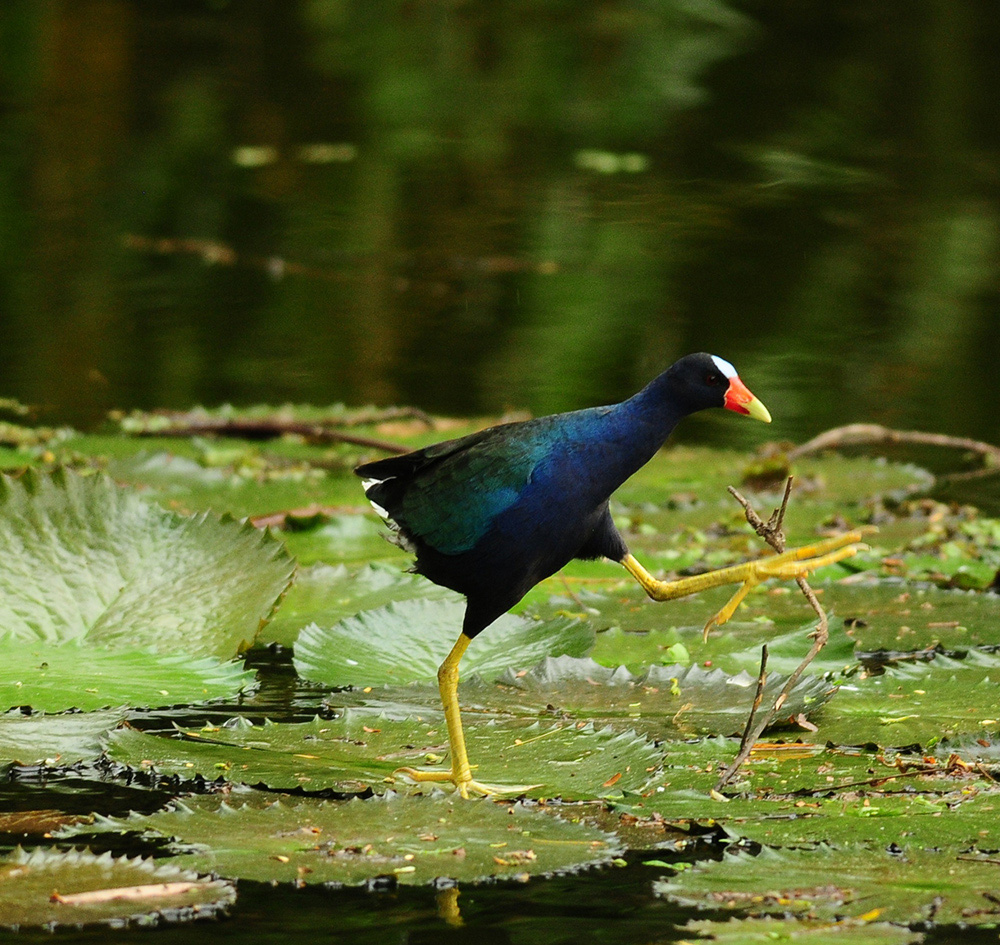
The lake is particularly productive, offering chances to observe remarkable species such as the striking Boat-billed Heron, Northern Jacana, and Green Ibis. Additionally, several species more typical of the Caribbean lowlands occur here, as the site sits at just 602 meters above sea level—approximately 280 meters lower than Rancho Naturalista—making it a valuable and contrasting addition to the lodge’s premontane birding experience.
Angostura Lake
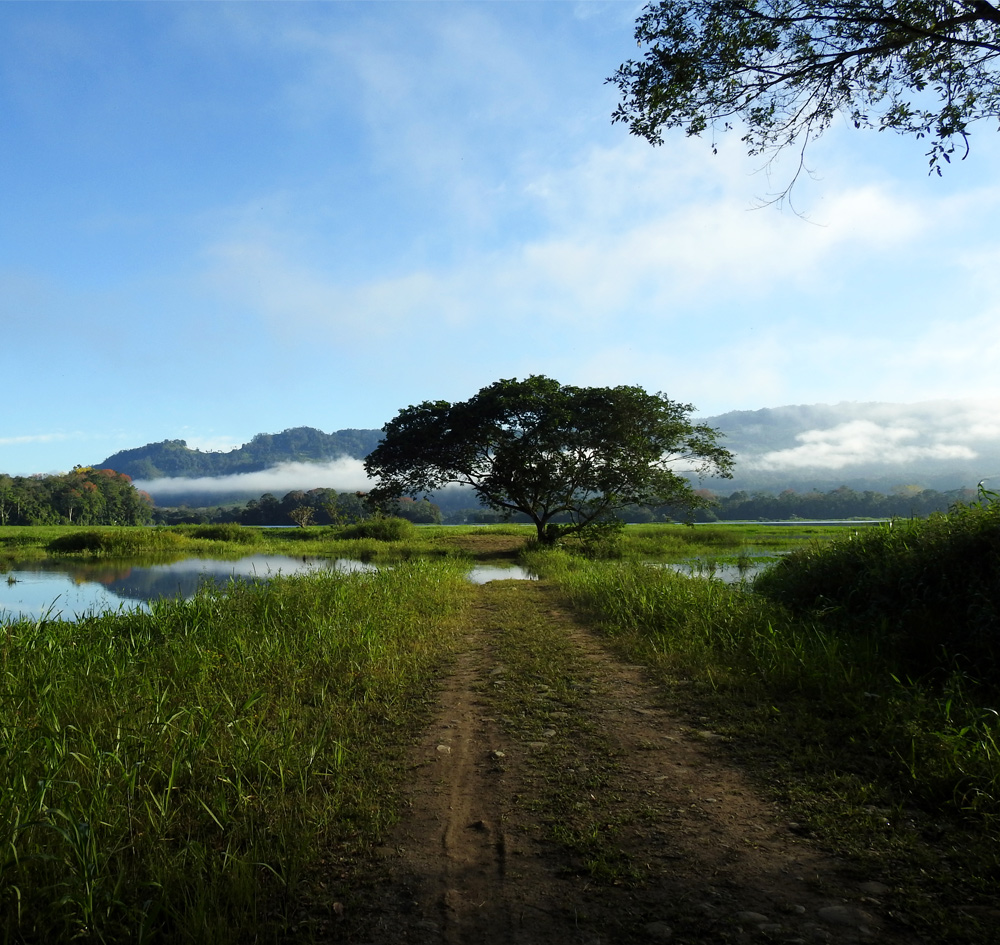
Angostura Lake is the largest body of water in the Turrialba area, formed as part of a major hydroelectric project on the Reventazón River. This reservoir has become an outstanding site for migratory birds and, over the past decade, has hosted numerous regionally and nationally significant species.
The lake provides excellent habitat for birds such as Snail Kite, Limpkin, bitterns, and crakes, as well as a wide variety of herons, egrets, and wintering waterfowl. Forest patches along the lake’s edge often hold interesting flocks of migratory warblers, while adjacent pastures and second-growth areas offer opportunities to observe species such as Southern Lapwing, Red-breasted Meadowlark, Slaty Spinetail, and the striking Barred Antshrike. With its open views and scenic landscapes, Angostura Lake is also a superb destination for photography.
Rio Platanillo
If the Sunbittern is on your wish list, Río Platanillo is one of the most reliable sites in the area to see this extraordinary bird. Its rural setting offers opportunities to observe species typical of second-growth habitats, as well as true forest birds within the shaded ravine. Other highlights include Torrent Tyrannulet, Fasciated Tiger-Heron, and a variety of diverse mixed-species feeding flocks.

Full-day trips
Several outstanding birding sites located a bit farther from Rancho Naturalista are well worth a full-day excursion. These trips typically depart early, around 05:00 am, and include a packed breakfast and boxed lunch.
Excursions can be tailored to your target species in order to maximize your chances of seeing your wish-birds. We recommend discussing your targets with one of our guides when you arrive so they can design the most effective itinerary possible.
Irazu Volcano
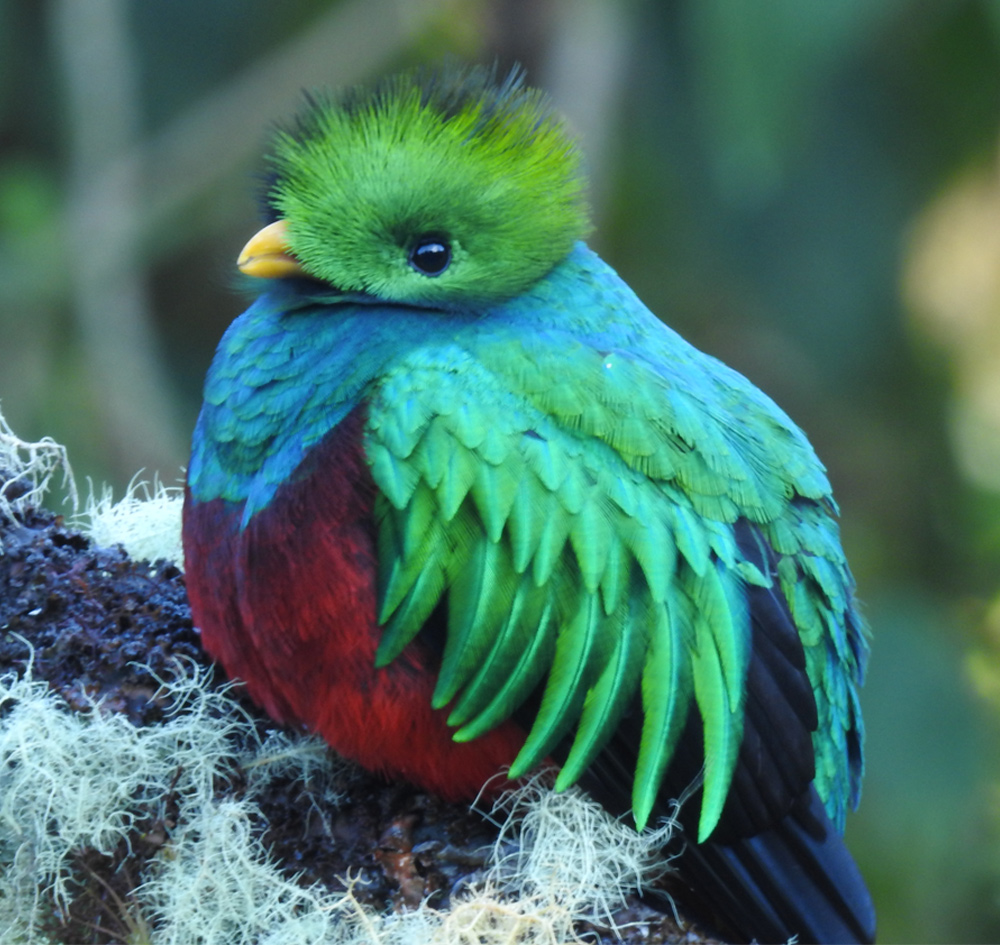
The tallest volcano in Costa Rica, rising to 3,432 meters, offers excellent opportunities to observe highland specialties such as Resplendent Quetzal, Buffy-crowned Wood-Partridge, Wrenthrush, and both Long-tailed and Black-and-yellow Silky-Flycatchers. Birding along the slopes below the national park can also be highly productive.
Within Irazú Volcano National Park, the distinctive páramo, timberline, and stunted high-elevation forest habitats provide outstanding chances to see Chiriquí endemics, including the Timberline Wren and Volcano Junco.
Distance: 2 hours 30 minutes drive time.

Turrialba Volcano
One of Costa Rica’s most active volcanoes, and the sister peak to Irazú, rises to 3,340 meters and offers spectacular scenery along with exceptional birding. The area is rich in Chiriquí highland endemics and regional specialties.
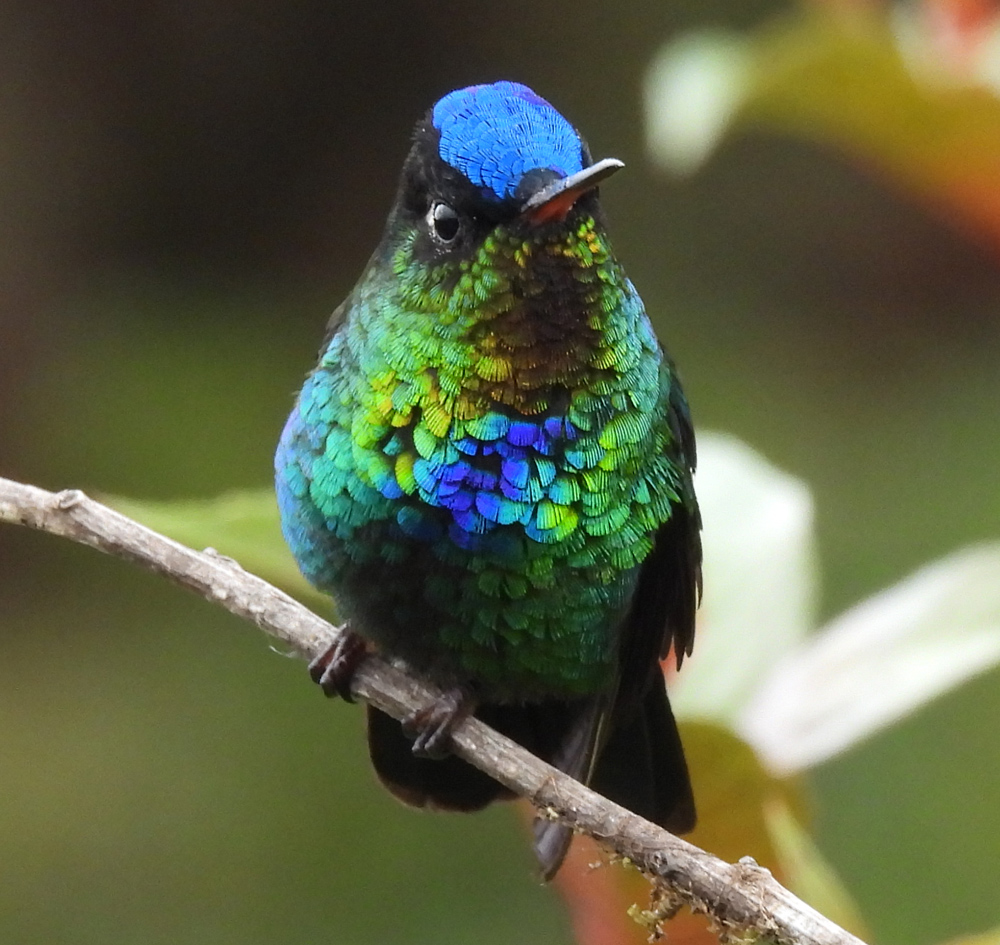
Birding the slopes as you ascend to higher elevations throughout the day can yield many highlights, including Resplendent Quetzal, Wrenthrush, Fiery-throated Hummingbird, Prong-billed Barbet, Buffy Tuftedcheek, and both Long-tailed and Black-and-yellow Silky-Flycatchers.
Distance: 1 hour 30 minutes drive time.
Finca Tres Equis
Finca Tres Equis is a family-owned farm and private reserve located in the Caribbean foothills of Turrialba, ranging in elevation from 350 to 700 meters along the Pacuare River. Covering more than 300 hectares, over 70 percent of the property is forest that has been preserved and restored over the past 20 years.
This site provides an excellent complement to the avifauna of Rancho Naturalista, featuring many species more typically associated with lowland habitats. Highlights include trogons, toucans, manakins, jacamars, fruitcrows, and honeycreepers, as well as an impressive diversity of raptors, hummingbirds, and tyrant flycatchers not usually seen at the lodge. Several nationally uncommon species occur here, with Rufous-winged Tanager, White-fronted Nunbird, and seasonally, Great Green Macaw being distinct possibilities.
An excellent private road descends approximately 7 km from the ridge to the Pacuare River, offering easy access and highly productive birding, along with beautiful views across the foothills. The property also features a network of trails; however, these are physically demanding, and a reasonable level of fitness is required.
Distance: 1 hour drive time.

Quetzal’s Paradise
For guests at Rancho Naturalista eager to see and photograph the iconic Resplendent Quetzal, Quetzal’s Paradise is an outstanding destination. This visit must be arranged in advance with the owners of the lodge, which is located in the highlands of the Dota region.
In addition to exceptional quetzal opportunities, the area offers a rich selection of highland species. One notable specialty is the Fiery-throated Hummingbird, which can be easily observed and photographed.
Distance: 3 hours drive time.
Whether you are a first-time visitor or a seasoned birder, the areas surrounding Rancho Naturalista offer an exceptional diversity of habitats and species to explore. With knowledgeable guides, carefully selected destinations, and the flexibility to tailor each excursion to your interests, every outing promises rewarding birding, beautiful scenery, and unforgettable wildlife encounters.